
Balanced Diet
Balanced Diet Menu


- Mediterranean Diet: The Mediterranean diet is based on the diet typically followed by the people in the Mediterranean region. It involves high consumption of fruits, vegetables, bread, potatoes, beans, nuts, and seeds.
- South Beach Diet: If you want to follow the South beach diet, you must exclude potatoes, fruits, bread, cereal, rice, pasta, carrots, and corn from you diet for the first two weeks. But after that, you can continue with a few of the above items, but most of them should still be avoided.
- Zone Diet: Dr. Barry Sears came up with the idea of the Zone diet. It aims at consuming calories from carbohydrates, proteins, and fats, but in a balanced manner.
- Atkins Diet: For the Atkins diet, rich foods like steaks, eggs, bacon, cheddar cheese, etc. are allowed but carbohydrates should be completely avoided. The Atkins Diet is quite a controversial diet since the foods that are allowed in this diet are devoid of any nutrition and the person who will follow it will be exposed to a host of health hazards. This has been testified by the American Medical Association’s Council on Food and Nutrition.
But as individuals, different people have different dietary requirements. Again, factors like age, body type, level of physical activity, and gender determine the amount of food that a person should consume. A balanced diet can be incorporated as three main meals in a day. Make sure you are adding variety in your diet by including plenty of fruits and vegetables. Fruits and vegetables are the main sources of vitamins and minerals which help keep your heart and body healthy. Along with these, make sure that you also include low-fat dairy products. If you want to add meat in your menu, opt for lean meats, poultry, and fish. Again, if you want to have a vegetarian diet, opt for cottage cheese and soybeans.
Well-balanced Diet Menu
Breakfast
Start your day with one cup of strawberries, half cup of cottage cheese, and a large spoonful of sunflower seeds. If you want, you can substitute low-fat cottage cheese for cottage cheese made from whole milk. Eat this with a multi-grain toast. You can also go for an omelet made of two eggs with mushrooms, tomatoes, spring onions, and shredded cheese as a filling. Add an apple and a glass of water and voila! You have a wholesome breakfast ready.
Lunch
A well-balanced lunch can consist of a salad made of dark green lettuce, broccoli, cauliflower, and tomatoes. Add two teaspoons of walnut oil and a few pieces of organic meat. You can also eat this as a filling for rolls or tortillas. Similarly, you can follow the same idea for making other types of salads like potato, tuna, and even a pasta salad.
Dinner
For dinner, take half a cup of whole wheat pasta, a quarter cup of organic marinara sauce and a few pieces of turkey. Now add two cups of cooked green vegetables. Just saute them lightly in two teaspoons of flax oil. You can add tofu instead of the turkey as a vegetarian option.
Between breakfast, lunch, and dinner, many people prefer to have mid-morning and evening snacks to satiate their periodical hunger pangs. So if you are one of them, some healthy options could be apples, walnuts, tofu, carrot sticks, pumpkin seeds, sliced cheese, whole grain crackers, lean chicken breasts, etc. But remember to measure out the quantities before you take a helping of any of the above mentioned foods.
To make your balanced diet meal more effective, try to eat a minimum of four small meals a day including snacks. Try to have fresh and low-fat foods as much as possible, and eat them slowly. Avoid foods that are high in fats and calories like cakes, pastries, candy bars, pies, burgers, pizzas, etc. Along with consuming a balanced diet, do also indulge in exercises, drink lots of water, and get plenty of rest and sleep.


Wonder why celebrities look the way they do? How some people manage to maintain that fab body while most of us wear only the clothes which manage to hide our belly fat and bulky arms? Why some people never have to see the doctor while some are wasting half their salary in clearing up long hospital bills. The answer lies in their diet. Not just some fad diet that they are following, but a proper, healthy diet, where they don’t starve, but eat. Contrary to the belief of avoiding specific food groups, a balanced diet actually means eating all kinds of foods so as to provide the body with all the nutrients that it needs for its day-to-day functioning.
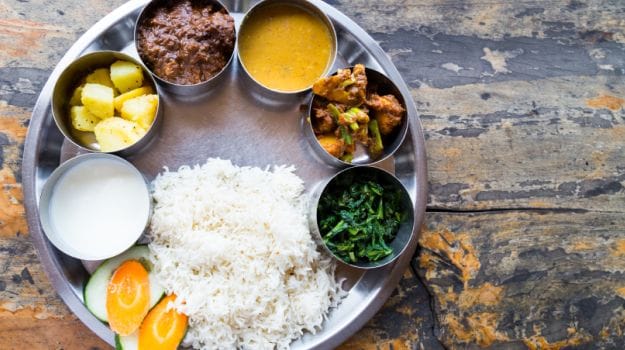
Main Aspects of a Balanced Diet
A balanced diet focuses on two main aspects:
– Eating the right type of foods.
– Eating in the right quantity.
None of the above two are mutually exclusive. A diet that discourages you from omitting a particular food group should never be followed. Each food group contains different kinds of nutrients, and our body definitely needs all of these, but in different amounts, and it varies from person to person. When it comes to adopting a healthy diet, one size does not fit all. Everyone leads a different lifestyle, comes from different backgrounds, has different professions and fitness levels. All food is good when eaten as per your body’s needs. Yes! Even fats and carbs. How? Let’s see.
What does Balanced Diet Include?
Carbohydrates
– They keep the hormones balanced.
– Carbs stimulate the functioning of the immune system.
– They generate powerful antioxidants that protect the body cells from getting damaged.
Proteins
Proteins play various roles in the functioning of our bodies. Their primary function is to build and repair the body cells. Proteins are as necessary as carbohydrates when it comes to maintaining a proper diet. Not only do they help you lose unnecessary fat, but they also help in increasing the circulation and mobilization of the stored fat. They also help in making antibodies that help us fight against infections. Proteins are found in high quantities in eggs, chicken, fish, milk, and milk products. You should include about 50 to 175 grams of protein in your daily meals.
Note: A low-protein diet doesn’t work, neither does a high-protein one. When eaten in high quantity, protein gets converted to fat by a process called deamination.
Fats
The belief that fats are bad for our body is nothing but a myth. They are just as necessary for the body as the other food groups, but only in smaller amounts. Fats protect our vital organs like the heart, kidney, liver, etc. They lubricate the joints and also transport the fat-soluble vitamins A, K, E, D around the body. In short, not just are fats necessary for having a healthy body, they are necessary for the sustenance of life itself. Fats are found in red meat, pizzas, and all kinds of oils. One gram of fat contains 9 calories, and hence, should be more carefully eaten to avoid weight gain. You should have only 65 to 85 grams of fat each day. Seafood, nuts, milk and milk products, olives, and flax seeds are good sources of fats (monounsaturated fats) which should be consumed daily. You can use a balanced diet chart for more information. Sources of trans fats or saturated fats like red meat, deep-fried foods, biscuits, cakes, and pastries should be avoided.
Vitamins and Minerals
Like the above-mentioned food groups, vitamins and minerals do not provide us with energy, but they are important so that our body can utilize the energy that it gets from carbs, proteins, and fats. These are found in large quantities in all kinds of fruits and vegetables. They play a very important role in our body as catalysts and co-enzymes. We need them for various reasons, ranging from the growth and development of the body to regulating the hormones.
Vitamins A, D, E, and K are fat-soluble vitamins, which are found in milk, green leafy vegetables, all colorful fruits, vegetable oils, oats, and whole grain. Since they are fat-soluble, they are easily stored in the body, and hence should not be consumed in excess. Vitamins C and B (all of them) are water-soluble vitamins, which should be consumed every day. We need them to produce hormones, maintain the respiratory system, to protect us against heart diseases, and to aid digestion. These are found in plenty of eggs, cheese, fish, and nuts. To ensure that you get enough vitamins, aim on eating fruits with different colors. The importance of a healthy and balanced diet should be known.
Minerals like iron, zinc, calcium, magnesium, and copper are very essential for the body. They maintain the health of our bones and joints, regulate blood pressure, prevent acne and wrinkles, etc. They are found in milk and milk products, green leafy vegetables, meat, fish, eggs, and whole grains.
Fiber
Fiber is a nutrient that helps our body to prevent constipation and promotes healthy digestion. It also enables the intestines to function properly. Not only this, but fiber also helps us from overeating. Fiber is found in cucumber, beetroot, and carrots. When eaten before meals, these fill the stomach, thereby preventing us from overeating. Focus more on eating unprocessed foods that are naturally rich in fiber, e.g. brown rice, barley, legumes, and nuts. Overcooking of vegetables should also be avoided to retain the fiber content in them.
Supplements for Balanced Diet
The vegetables and fruits that we buy from the market today go through a lot of processing before reaching our doorstep. During this, the nutrient content of these becomes comparatively low. The poor storing conditions further aid this problem. Plus, we add different kinds of seasonings and sausages while cooking them. Hence, the amount of nutrients that our body finally absorbs is very low, thereby leading to nutritional deficiencies. Taking supplements to make up for the same ensures proper nutrition of the body. The supplements that our body needs regularly are vitamin A, B, E and C supplements, and mineral supplements of zinc, calcium, chromium, and selenium and they should be present in our balanced diet. However, it is always necessary to consult your doctor before starting on one.
Water
Water is the most essential nutrient that our body needs. Without water, all the carbs, proteins, vitamins, and minerals that you consume are pure waste. The basic reason why our body is dehydrated is the lifestyle we all lead today. We eat too much-processed food, drink a lot of aerated drinks, and consume a lot of caffeine – all of which leaves the body dehydrated. We drink water only to quench our thirst and not to meet the body’s requirements. If your body is not hydrated, your muscles contract, your joints start hurting, and the skin loses all its glow. Plus, it also interferes with the proper functioning of the heart, lungs, and kidneys. Drinking up to 10 glasses a day is a must. But remember, you should always sip water from time to time and not gulp a lot of it. Gulping too much water at the same time leads to water retention. The importance of a healthy diet cannot be denied.

It is said that women are capable of enduring more stress and strain more than men. Their bodies undergo myriad changes in one life cycle. From maintaining their own health to sustaining new life in themselves, a woman’s body deals with multiple changes, both physically and mentally. Thus, it’s essential to follow a balanced diet for women to live a hale and hearty life. A healthy diet for women is not about adhering to a particular body image, following unhealthy diet plans, and working out like there’s no tomorrow. Being healthy means maintaining a balance between nutrition, exercise, and mental well-being. You can also get help from the healthy diet chart for women’s weight loss.

If we are to speak about the nutrition and diet aspect, a well-balanced diet for women is meant to make them feel more energetic and lively. It is meant to boost their immune system to keep diseases at bay. So, what does a well-balanced diet actually mean? Having 5-6 small meals a day, including more whole grains, fish, and poultry, and cutting out red meat. Well, it doesn’t end here! Go through these balanced diet charts for adults and children to get a fair idea of not only what you should be eating, but also about how much you should eat and at what time. For some help read You should have proper foods that contain appropriate nutrients.
Healthy and Balanced Diet for Women
Carbohydrates
Young women require the right kind of balance of carbohydrates, proteins, and fat. Include at least 300-500 gm of carbohydrates in your diet daily. They provide you the energy for function throughout the day, fight fatigue, and make you feel full. Avoid processed and refined foods and go opt for whole grains that are rich in carbohydrates.
Proteins
A great way to increase your protein intake is to include more fish and poultry in your daily diet. These are essential for building and repairing worn-out tissues. Make sure you eat the right type of protein. Eating too much animal-based protein is not good for women. It leads to a loss of calcium and a decrease in bone density. For adult women, the daily intake of protein should be around 45 gm.
Fiber Intake
Women over 50 years of age are recommended to consume 21 grams of fiber a day, and women below 50 are recommended to have 25 grams of it a day. Fiber is responsible for the slow absorption of glucose, which keeps the blood sugar levels in check. It makes you feel full early, so incorporating it into your diet will prevent overeating. Start your day with high-fiber, whole-grain cereal, and fresh fruits. Snack on fruits and salads in between meals.
Vital Vitamins
Vitamins are essential for the body to avoid related deficiencies. The recommended vitamin intake for women is as follows; 700 mcg a day of vitamin A, 10 mcg a day of vitamin D for women above 50 and 5 mcg a day for women below 50, 15 mg a day of vitamin E, and 75 mg a day of vitamin C. Fresh fruits and vegetables contain an abundance of vitamins, which is why they must be an integral part of your daily diet. Vitamins are also crucial for pregnant women as well.
Iron Feast
Women lose a lot of blood during the menstrual cycle every month. If the iron intake is low, this can lead to anemia and other iron-related disorders. Thus women in particular, must be cautious about their iron intake. Incorporating iron-rich foods like lean red meat, spinach, poultry, lentils, almonds, etc, will help you increase your iron intake.
Bone Corrector
Women are at a high risk of developing osteoporosis. To prevent this condition, calcium intake of 1,000 mg a day is mandatory. For women in the post-menopausal period, daily calcium intake should be 1,500 milligrams. Thus, having calcium-rich foods like yogurt, skimmed milk, and cheese will go along way in keeping your bones strong.
Eating Patterns in a balanced diet for women
You may have a healthy meal, but what’s the point if it is not being eaten at the right time? Often women skip meals owing to their busy schedules. This leads to binge eating and unnecessary consumption of saturated fats, high cholesterol food items, and all the junk food. A healthy diet plan for women should have at least five small meals a day to maintain good health and increase metabolic rate. Also, make sure you don’t skip breakfast. Studies show that people who eat breakfast tend to be healthier than those who skip it. Cut out on junk food and replace it with healthy diet plan and nutritious foods.
How to Maintain a Balanced Diet For Women?
Young girls are often in a frenzy to mimic unrealistic images. This makes them follow illogical diet plans and ideas. They should avoid junk food as far as possible and try to consume a healthy diet plan. Stick to a balanced diet for women chart that suits your need and not your preposterous dream image. Starving leads to malnutrition and begins to affect other parts of your body like hair, skin, and proper functioning of other organs. Thus, knowing your food before you eat it is more important than following a diet plan blindly. You should know about women’s nutrition and fitness.
Following a balanced diet for women over a prolonged period will ensure a life full of good health and happy living. A woman is the substance of the home. She plays several roles like the homemaker, mother, wife, daughter, daughter-in-law, and a friend in need of everybody around her. Her mind and her body are constantly at loggerheads. Hence, it is a balanced diet for women which, in the midst of the madness, allows her to balance her functioning. Diets for women’s weight loss are essential. Eat healthily, stay healthy!

Lacto Ovo Vegetarian Diet; Everything You Need To Know
A Lacto ovo vegetarian diet includes vegetables, dairy products, and eggs while refraining from other animal food products. It is...

Does the McDougall Diet Really Work?
According to Dr. McDougall, it is the diet that controls your destiny and not the ‘genes’. This Buzzle article reveals...

Is Zen Monk Diet Plan Good For Healthy Lifestyle?
The Zen monk diet is a spiritual one, where it practices strict dietary rules that include only vegetarian-based eats. Learn...
-
Vegetarian Diet6 years ago
Lacto Ovo Vegetarian Diet; Everything You Need To Know
-
 Diet Plans9 years ago
Fruit Diet Plan
-
 Diet Plans9 years ago
Free Diets that Work Fast for Women
-
 Healthy Eating9 years ago
How to Grow Sprouts
-
 Healthy Eating9 years ago
Benefits of a Healthy Diet
-
 Healthy Eating9 years ago
Healthy Diet Snacks
-
 Paleo Approved Foods9 years ago
Yummy Paleo Approved Foods!
-
 Healthy Eating9 years ago
Healthiest Diet